September 2025 Retrospective
Introduction

Development
- Focus on migrating to the new in-house solution (target: complete switchover by end of October)
- Read through the Toss Clean Code official documentation
- Explore and experiment with productivity tools like claude.md and .cursorrule
Other (Communication)
- Before each sprint kickoff, break down tasks in detail to share a clearer timeline
- Read The Pyramid Principle by Barbara Minto and organize my thoughts on September's experiences
- Read Growing Together and apply one insight to my work
It's already been two months since I joined. September was a month of learning how to work together inside a product team. There were times I missed edge cases because I was too eager to ship features quickly, and moments where syncing with teammates got bumpy. But through our weekly team retrospectives, we were able to surface issues together and come up with concrete action points. In this post, I want to share the trial and error I went through in September, and talk about how I plan to improve going into October.
What I Accomplished in the First Two Months
Even though I was still in the probationary period, there were some things I could be proud of. Here's a snapshot from the team's Notion page.
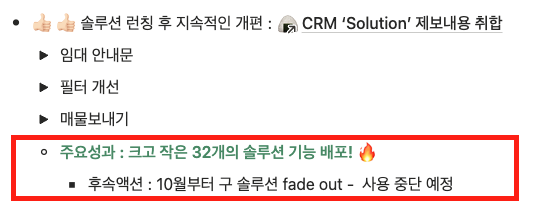
I shipped 32 features of varying sizes. Along the way, there were moments I got lost trying to figure out whether a bug was on the frontend or backend — but thanks to my teammates' help, I was able to quickly pinpoint the cause and work through things one by one.
One of the experiences I had wanted most from my previous job was working with legacy code. Thankfully, it wasn't the kind of legacy that leaves you completely hopeless — but being handed a project that involved modifying code written by teammates in the past gave me a challenge at just the right difficulty level. It made the work a lot more fun, and I'm genuinely excited that Q4 brings an opportunity to grow further by running a new project in parallel with this one. In Q4, I want to document these experiences well as concrete achievements, and use the rest of October and November to buckle down on studying.
Starting in October, we'll actively encourage the team to adopt the new solution, and gradually phase out the old one!
Efforts to Work Better Together
1. Working Toward Predictability: Estimating Timelines
About two months ago, I implemented a feature to export a specific screen as a PDF — supporting both single and bulk exports.
During sprint planning, I estimated "a comfortable one week" — but it ended up taking three. Sure, I flagged the delay quickly in daily standups, but given how heavy that ticket was, I wish I had taken the time after sprint planning to clearly spec out the requirements and share them with the PO separately.
Taking that three-times-over-estimate as a lesson, I tried two different approaches in September.
Team Initiative: Development Spec Meetings
Led by one of my fellow frontend developers, we started holding "development spec meetings."
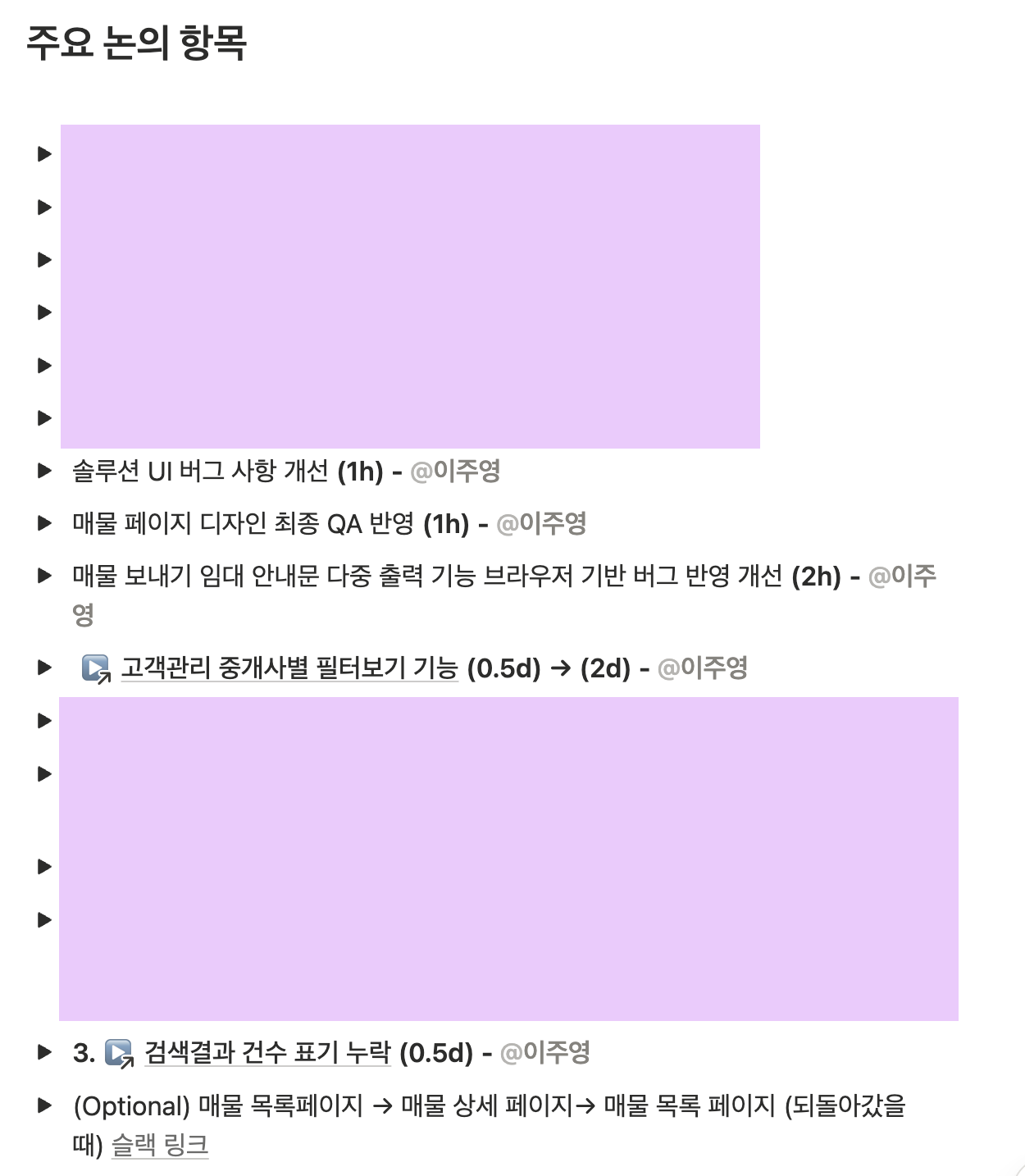
As shown in the image above, each of us would bring our assigned tasks, re-estimate the timeline, and align on implementation across the team. Through one of these sessions, we were able to realistically adjust the "Customer Management — Filter by Agent" feature from an initial estimate of "4 hours" to "2 days."
From the next meeting onward, we decided to dig into specific implementation approaches based on the planning documents. The upside is that we can sharpen our estimates; the downside is that meetings might run longer. For now, we've decided to try it together as a team and find the most efficient approach.
Personal Initiative: Weekly Pre-Planning
I started setting aside time on weekends to prepare for the upcoming sprint meeting. Laying out detailed timelines for each task ahead of time made me noticeably more confident and clear when sharing estimates in the actual meeting.
2. Finding a Better Way to Request QA — with the Reviewer in Mind
Our team doesn't have a dedicated QA team, so the workflow is: developer does a first pass, then requests QA from the PO or designer. I had an experience this month that made me rethink how I was handling that hand-off.
2-1. The Anti-Pattern: "They're busy, so I'll batch everything into one QA request"
Our PO currently wears many hats — PO, agile coach, designer — and is incredibly busy. With that in mind, I made a misjudgment on the "Listing Page Design Overhaul" task I worked on in September.
I broke what was a fairly large ticket down into 4 sub-tasks like this:
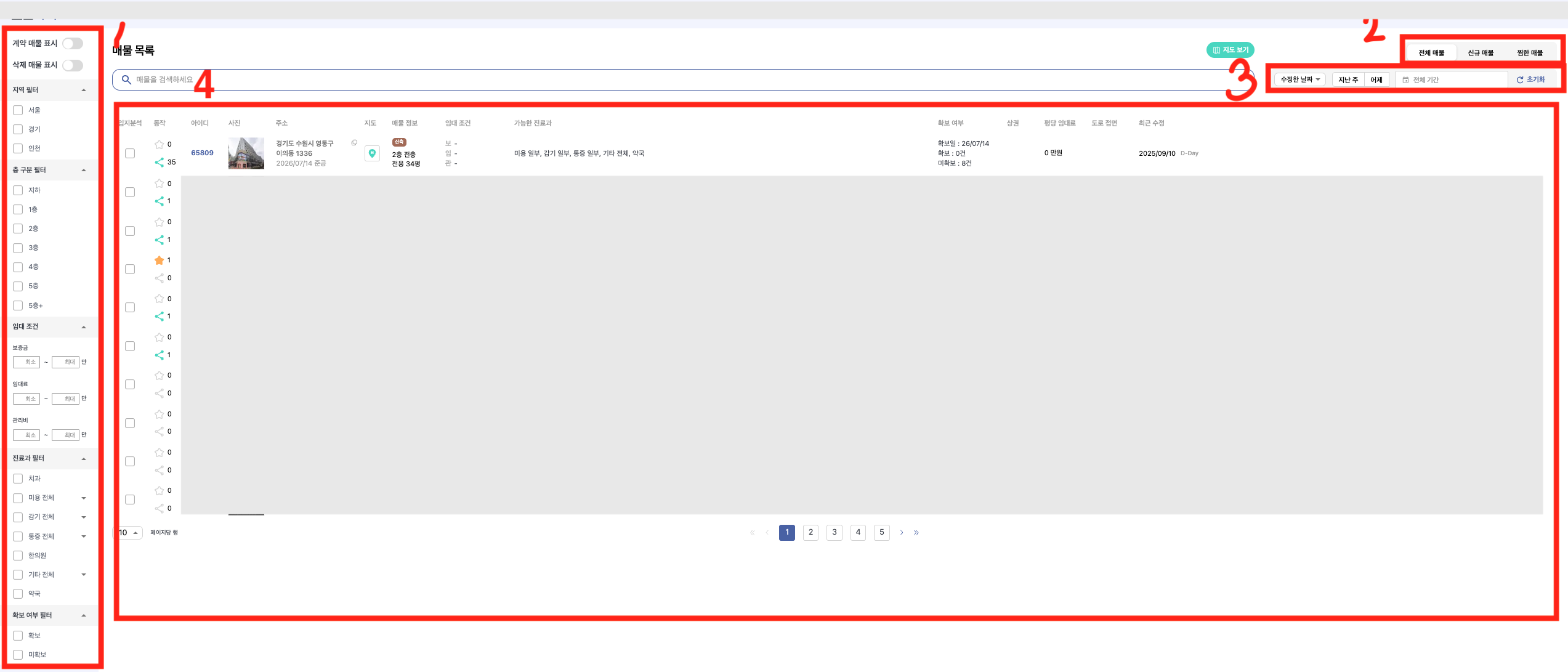
It looks simple at four items, but in reality these involved tangled complexity — filter application, individual/bulk reset, design system component implementation, and more.
My biggest mistake was waiting until I'd finished tasks 2, 3, and 4 before requesting QA all at once (excluding task 1). I hesitated to bother the PO with small, frequent requests because I knew she was busy. But the result was that for about 8 days, the PO had zero visibility into where my work stood — and then got hit with a massive QA request all at once, which caused a lot of confusion. There were plenty of bugs too.
The feature did land okay in the end, but this became a key discussion point at our sprint retrospective. Afterward, the PO recommended a book called Growing Together, and I found some answers in it.
2-2. The Fix: "They're busy, so I'll slice smaller and share faster"
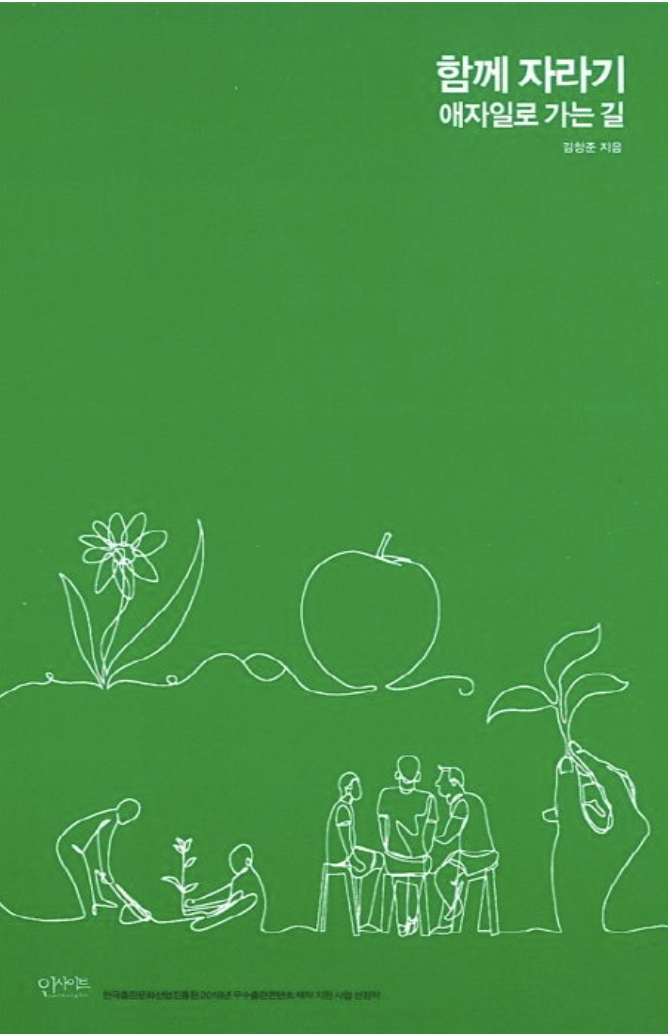
p. 198 — Deliver value to your customer every day.
Reading that line, something clicked: "Oh, I need to focus on creating value every single day." And here, "customer" means not just the end user, but also the internal teammates waiting on my output. So I committed to sharing what I'd built with teammates on a daily basis.
To make that work, I realized I needed to automate Amplify's Preview feature. I proposed the idea to a fellow developer, who generously helped set up the automation. Now, every time I open a PR, a preview environment is automatically spun up with a URL ready to share. Starting with the "Send Listing" page, I began sharing incremental results in smaller chunks.
But then another problem came up.
The core of the issue was confusion caused by not sharing upfront how I had split the work with the QA reviewer.
I had broken the work into 4 tasks in my own head, but I never shared that breakdown with the PO ahead of time. From the reviewer's side, getting Slack messages like "can you check task 3?" or "can you check task 4?" with no context is bound to be disorienting. It naturally raises questions like: how thorough should the QA be? Why aren't tasks 1, 2, and 4 included yet?
I realized my approach wasn't making things easier for my teammate — it was actually creating more cognitive overhead for her.
So starting in October, here's what I'm going to try:
When I judge a feature to be large, I'll first break it down into detailed sub-tickets, then after the daily standup, sync separately with the QA reviewer to share the context before diving into development. There's no single right answer, but I want to keep searching for the approach that fits our team best.
Ultimately, the key is consideration for the teammates you work together with. I always need to keep in mind that leadership is far busier than I am, and that teammates may already have their hands full with their own work.
Closing Thoughts
September was a continuous cycle of "fail fast, get feedback, learn." Through that process, I started to understand what it means to grow together inside a team. I'm genuinely grateful to my teammates once again. Heading into October, I want to make sure that working with me feels a little more comfortable for the people around me. And to get there, I ultimately need to back it up with better engineering skills. Time to refocus and get back to studying.
October Action Points
- Study Next.js to migrate existing in-house code to SSR (2-week intensive)
- Learn basic SQL
- Study Flutter Web for the OpenDoctor web/app migration